
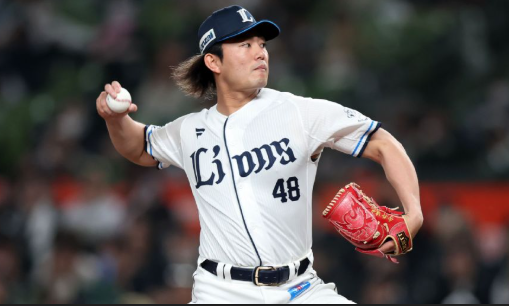
I have long since wondered if the MLB is actually rigging player movement ot not BUT OH MY GOODNESS…
In a move that reeks of behind-the-scenes manipulation! Japanese righty Tatsuya Imai has inked a three-year, $54 million deal (Max’s out at 3 years $63 Million) with the Houston Astros. This was announced just hours ago on January 1, 2026.
Of all teams, why the Astros? This signing isn’t just another free-agent splash! Iit’s glaring evidence the MLB is blatantly rigging player movement to prop up a franchise with a notorious history of cheating. The Astros, forever tainted by their 2017 sign-stealing scandal, continue to land premium talent under suspiciously favorable circumstances. This raisises massive questions about the league’s integrity. Also whether Commissioner Rob Manfred’s office is pulling strings to maintain competitive balance—or worse, to favor certain markets.
Let’s start with the basics of this deal. Imai, a 27-year-old ace from the Seibu Lions in Nippon Professional Baseball, posted an impressive 2025 season with a sub-3.00 ERA and dominant strikeout numbers. Yet, he getss just a modest $18 million annual average value (AAV) with Houston?
Compare that to Yoshinobu Yamamoto’s 12-year, $325 million megadeal with the Dodgers in 2023. Or even Shota Imanaga’s five-year, $53 million pact with the Cubs a few years ago. Imai’s contract is a steal, especially for a pitcher of his caliber. Reports indicate he had interest from multiple team. They, include big-market giants like the Yankees and Dodgers. Then he ended up in Houston—a team not exactly known for outbidding rivals in free agency?
Why?
Imai himself expressed a desire to “beat the Dodgers,” a nod to their recent dominance.
Signing with an AL team like the Astros makes no sense on paper. Not for World Series matchups at all, but the irony is thick! Houston’s 2017 title over LA was marred by electronic sign-stealing (Ther 2022 one as well wth the same players on this team…). A scandal where MLB handed out slaps on the wrist—fines, draft pick losses, and immunity for players. All the while letting the organization thrive.
This isn’t isolated. The Astros’, and other teams player acquisition histories scream favoritism. Remember the 2024 trade deadline when they snagged Yusei Kikuchi from the Blue Jays for a package of mid-tier prospects? Kikuchi, another Japanese import, turned into a postseason hero for Houston, bolstering their rotation en route to another deep playoff run. Or Justin Verlander’s return in 2023. (via a “waiver claim” that conveniently fell into their laps after the Mets ate most of his salary.) These moves aren’t coincidences; they’re patterns. MLB’s lax enforcement post-sign-stealing—Manfred later admitted regretting player immunity—suggests a league office more interested in protecting star franchises than ensuring fair play.
Critics have long whispered about “rigged” outcomes. From buzzing bandages in the scandal’s rumors to suspiciously timed injuries or trades that benefit powerhouses.
Adding fuel, Imai’s deal comes alongside Munetaka Murakami’s two-year, $34 million signing with the White Sox, totaling just $88 million for two NPB stars—far below preseason hype.
Is the MLB quietly discouraging bidding wars to funnel talent to under-the-radar contenders like Houston, maintaining “parity” while avoiding antitrust scrutiny? The Astros’ payroll flexibility, despite luxury tax thresholds, allows them to absorb these bargains without penalty, while smaller markets like Oakland or Pittsburgh get scraps.
In conclusion: Imai’s choice of the Astros, and Munetaka Murakami’s 2 year deal wqith the White Sox, over flashier options isn’t player preference; it’s symptomatic of MLB’s rigged system. The league’s history of leniency toward Houston, combined with undervalued international signings, points to orchestrated movement that keeps the cheaters competitive. Fans deserve transparency, not more asterisks. Until MLB addresses these suspicions, the integrity of the game remains in question.
BY: Adam King
Leave a Reply
You must be logged in to post a comment.