
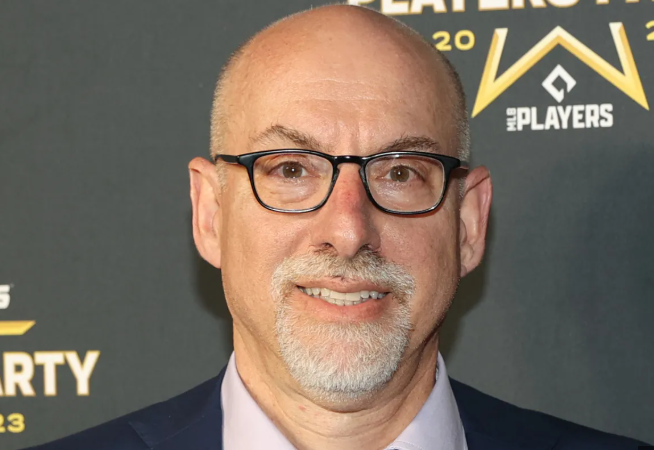
In February 2026, the Major League Baseball Players Association underwent a seismic leadership change. Following Tony Clark’s abrupt resignation amid personal and federal scrutiny, the MLBPA unanimously elevated longtime deputy Bruce Meyer to interim Executive Director. A Harvard-educated labor lawye. He has deep expertise in collective bargaining and legal strategy since joining the union in 2018, Meyer is no figurehead.
The MLB itself has no “new chairman” (Commissioner Rob Manfred remains in place. This appointment however, at the players’ union is the development that directly torpedoes owner ambitions for a salary cap. It injects fresh legal uncertainty into any potential 2026 lockout. Owners have telegraphed for months that they will push for a hard salary cap when the current CBA expires after the 2026 season.
Manfred has publicly floated the idea, claiming it would create parity and help mid-market teams. Yet Meyer’s arrival makes that proposal dead on arrival. The MLBPA has never accepted a salary cap in its history. The MLBPA views it as a wage-suppression mechanism that has capped earnings in the NFL and NBA.
Meyer helped negotiate the 2022 agreement. He sided with hardliners who preferred extending the 2021-22 lockout rather than compromise. He brings both institutional memory and courtroom-grade legal firepower. As a lawyer steeped in labor precedents, he understands exactly how to frame a cap as an unfair labor practice or a violation of the union’s duty to maximize member earnings.
Negotiations require mutual consent; Meyer’s presence guarantees the union will not blink. Any attempt at a cap will hit an immovable legal and philosophical wall.
The bigger wildcard is the looming lockout itself. Standard labor law permits owners to lock out players after a CBA expires, as happened in 2021-22. But Meyer’s legal background transforms that “standard” tactic into something far more precarious.
Individual player contracts are legally binding documents that guarantee employment, service time, and the right to perform. A league-wide lockout — which prevents players from reporting, training, or playing — can be credibly challenged as a breach of those contracts. Especially if the union argues bad-faith bargaining or an illegal combination in restraint of trade. Meyer, as the union’s chief legal mind, is perfectly positioned to file immediate grievances, NLRB charges, or even seek federal injunctions.
The result? Months of litigation before a single spring-training game is lost. Owners risk court rulings that could declare the lockout unlawful or force interim play under expired terms.
The “uncertain future” the league dreads just became exponentially murkier.
Meyer has already signaled he expects a lockout and is preparing accordingly. Agents and players who once viewed him warily now see a battle-tested attorney unwilling to repeat 2022’s perceived concessions.
The owners, by all accounts, are “not happy” with the change.
Baseball has survived labor wars before. That said, never with a union leader whose entire career has been drafting airtight arguments against exactly the tactics owners are deploying. Meyer’s legal acumen does not just block a salary cap though. It turns any lockout into a potential legal quagmire that could drag into courtrooms instead of ballparks.
The players’ right to play under their contracts may finally get its day in front of a judge, and the game’s next work stoppage suddenly looks far less certain — and far more expensive — than anyone on the ownership side anticipated.
BY: Adam King
Leave a Reply
You must be logged in to post a comment.